
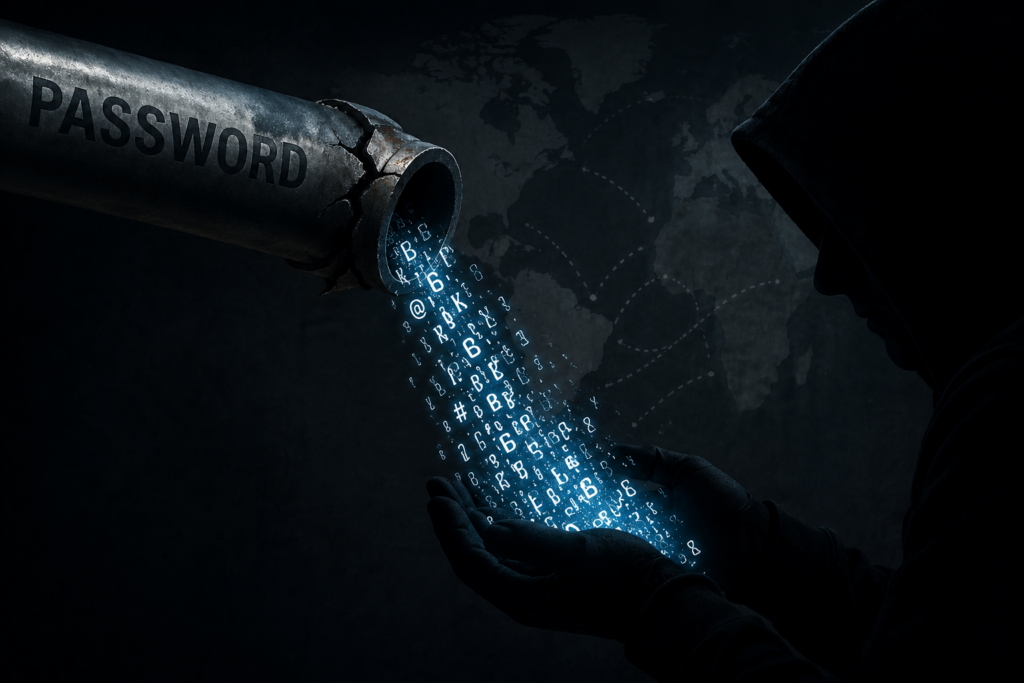
Data breaches have become an unfortunate part of life online. From social media platforms to online shops, even well-known companies have suffered security incidents that exposed user information. If you have ever reused a password or signed up to multiple services with the same email address, there is a real chance your credentials may already be circulating.
The good news is that you can check whether your password has been leaked and take action before it leads to something more serious.
What does it mean for a password to be leaked?
A leaked password is one that has been exposed through a data breach, phishing attack, or malware infection. These passwords are often collected into large databases and shared or sold on the dark web.
Criminals use these lists to attempt logins across various websites in a method known as credential stuffing. If you reuse passwords, one leak can unlock multiple accounts.
How to check if your password has been exposed
One of the most reliable ways to check is by using trusted breach notification services.
A widely used option is Have I Been Pwned. You can enter your email address to see if it appears in known data breaches. The service also offers a password check feature that allows you to safely verify whether a specific password has been exposed.
Some password managers, such as Nordpass, 1Password and LastPass, include built-in monitoring tools that alert you if your stored credentials appear in breach databases.
Many browsers now offer similar features. For example, Google Chrome and Mozilla Firefox can warn you if a saved password is known to be compromised.
Signs your password may have been compromised
Even if you have not checked a breach database, there are warning signs to watch for:
- Unexpected login alerts from services you use
- Password reset emails you did not request
- Accounts being locked or accessed from unfamiliar locations
- Suspicious activity such as messages sent from your account
These signals should be taken seriously, even if you are not certain a breach has occurred.
What to do if your password was leaked
If you discover that one of your passwords has been exposed, act quickly. Delaying can give attackers more time to exploit it.
Change the password immediately
Update the affected account with a strong, unique password. Avoid making small changes to the old one, as attackers can easily guess variations.
Update any reused passwords
If you have used the same password elsewhere, change those accounts as well. This is one of the most common ways breaches spread.
Enable two-factor authentication
Adding an extra layer of security makes it much harder for someone to access your account, even if they have your password. Authenticator apps are generally more secure than SMS-based codes.
Use a password manager
Tools like Nordpass, Bitwarden or Dashlane can generate and store strong passwords for each account, reducing the temptation to reuse them.
Check your account details
Review recovery email addresses, phone numbers, and security questions. Make sure they have not been altered.
Stay alert for further threats
After a breach, you may be targeted with phishing emails that attempt to exploit the situation. Be cautious of messages urging you to click links or provide personal information.
How to reduce your risk in the future
Preventing future exposure is just as important as responding to a current leak.
Avoid reusing passwords across different sites. Even if it feels convenient, it creates a single point of failure. Keep your devices updated to protect against malware that can capture your credentials. Be cautious when entering your password on unfamiliar or suspicious websites.
It is also worth checking your email address on breach monitoring services periodically. New breaches are discovered all the time, and staying informed helps you respond quickly.
Final thoughts
Finding out that your password has been leaked can be unsettling, but it is not the end of the story. What matters most is how quickly and effectively you respond.
By checking your exposure, updating your security practices, and using the right tools, you can regain control and significantly reduce the risk of further harm. In a world where data breaches are increasingly common, being proactive is your best defence.
To learn more about cyber safety check out our helpful courses. To stay up to date with us follow on Linkedin.
