
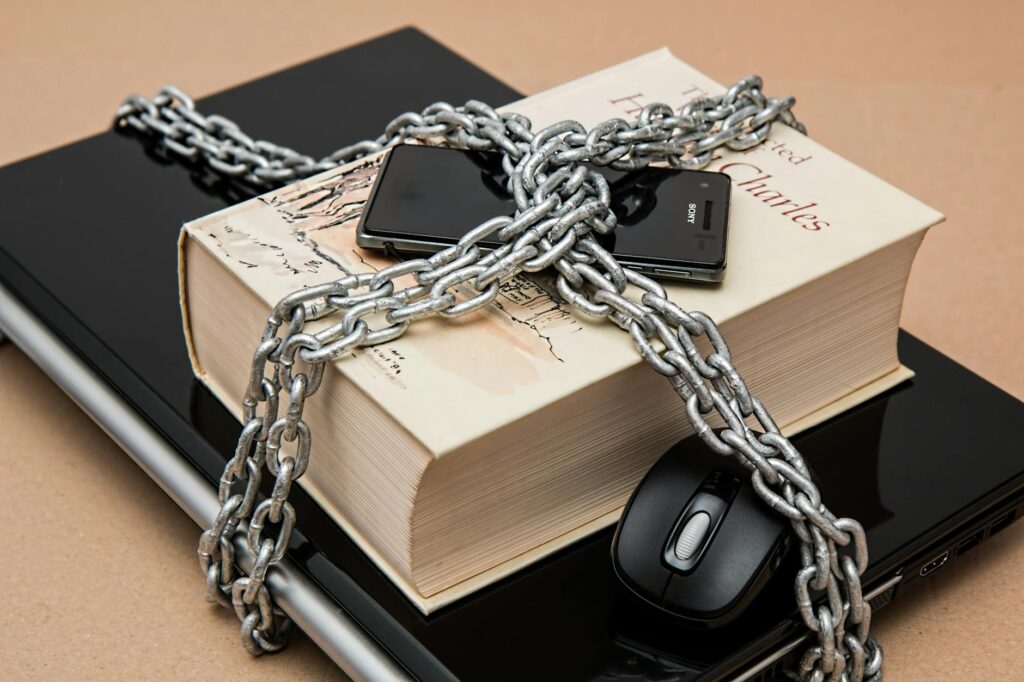
In an increasingly digital world, cyber security is no longer the responsibility of experts alone. Every individual who uses a smartphone, laptop, or online service plays a role in safeguarding their personal data and, by extension, the wider digital ecosystem. Becoming a cyberhero does not require advanced technical skills. It requires consistent, thoughtful habits. Here are seven essential practices that highly secure people follow, and why they matter.
1. They Use Strong and Unique Passwords
Highly secure people understand that passwords are often the first and only line of defence against unauthorised access. They avoid common or easily guessed passwords such as “123456” or “password”, and instead create long, complex combinations of letters, numbers, and symbols.
More importantly, they use a different password for every account. This prevents a single data breach from compromising multiple services. If one account is exposed, the damage is contained.
To manage this complexity, many rely on password managers, which securely store and generate passwords. This reduces the temptation to reuse credentials or write them down in insecure places.
2. They Enable Two-Factor Authentication
Two-factor authentication, often abbreviated as 2FA, adds a second layer of security beyond the password. This typically involves a code sent to a mobile device or generated by an authentication app.
The importance of this habit lies in its ability to stop attackers even if they have obtained your password. Without access to the second factor, they cannot log in. This dramatically reduces the risk of account takeover, especially for email, banking, and social media platforms.
Highly secure individuals treat 2FA as essential, not optional, particularly for accounts that store sensitive or financial information.
3. They Keep Software and Devices Updated
Software updates are not just about new features. They often contain critical security patches that fix vulnerabilities discovered by developers or researchers.
Cybercriminals actively exploit outdated software because known weaknesses are easier to attack. By regularly updating operating systems, apps, and devices, highly secure people close these gaps before they can be used against them.
This habit extends to all connected devices, including routers and smart home technology. Neglecting updates on any device can create an entry point for attackers.
4. They Recognise and Avoid Phishing Attempts
Phishing remains one of the most common and effective cyber threats. It involves tricking individuals into revealing sensitive information through fake emails, messages, or websites.
Highly secure people are cautious with unexpected communications. They check the sender’s address carefully, avoid clicking on suspicious links, and verify requests for sensitive information through official channels.
This habit is crucial because phishing attacks rely on human error rather than technical flaws. Even the most secure systems can be compromised if a user is deceived into handing over access.
5. They Secure Their Internet Connections
Using unsecured public Wi-Fi networks can expose data to interception. Highly secure individuals take steps to protect their connections, especially when accessing sensitive accounts.
They avoid logging into important services on public networks unless necessary, and often use a virtual private network, or VPN, to encrypt their internet traffic. At home, they ensure their Wi-Fi network is protected with strong encryption and a robust password.
This habit matters because unprotected connections can allow attackers to monitor activity, capture login credentials, or inject malicious content.
6. They Regularly Back Up Their Data
Data loss can occur due to cyber attacks, hardware failure, or accidental deletion. Highly secure people mitigate this risk by maintaining regular backups of important files.
They often follow the principle of keeping multiple copies, including one stored offline or in a secure cloud service. This ensures that even if data is compromised by ransomware or other threats, it can be restored without paying a ransom or suffering permanent loss.
Backing up data is not just about recovery. It provides peace of mind and resilience in the face of unexpected incidents.
7. They Stay Informed and Vigilant
Cyber threats evolve constantly, and what was secure yesterday may not be secure today. Highly secure individuals make an effort to stay informed about emerging risks and best practices.
They pay attention to security news, follow guidance from trusted organisations, and remain alert to unusual activity on their accounts or devices. If something seems wrong, they act quickly by changing passwords, contacting service providers, or seeking expert advice.
This habit is vital because security is not a one-time action. It is an ongoing process that requires awareness and adaptability.
Final thoughts
Becoming a cyberhero is not about mastering complex technology. It is about building consistent, practical habits that reduce risk and protect what matters most. By using strong passwords, enabling two-factor authentication, keeping systems updated, staying alert to phishing, securing connections, backing up data, and remaining informed, anyone can significantly improve their cyber security.
In a connected world, these habits do more than protect individuals. They contribute to a safer digital environment for everyone.
To find out more about staying safe online check out our helpful courses, or to stay up to date with us follow on linkedin.
